Sustainability at DBK

In 2024, the DBK Group launched a comprehensive sustainability initiative, marking an important milestone in the strategic development of our company. As a manufacturing family business with an international focus, we increasingly take responsibility for the ecological, social, and economic impacts of our actions.

Sustainability as Part of Our DNA
Sustainability has always been part of DBK’s entrepreneurial mindset. With the new initiative, we make this internal commitment visible and now pursue the path in a structured, honest, and future-oriented way.
Although we fall under only a few legal ESG regulations, we have decided to voluntarily implement sustainable measures. These include:
Regular CO₂ balances for the DBK Group
A comprehensive transformation plan to achieve net zero
A detailed analysis of climate risks and opportunities
Preparation of sustainability reports according to the VSME standard
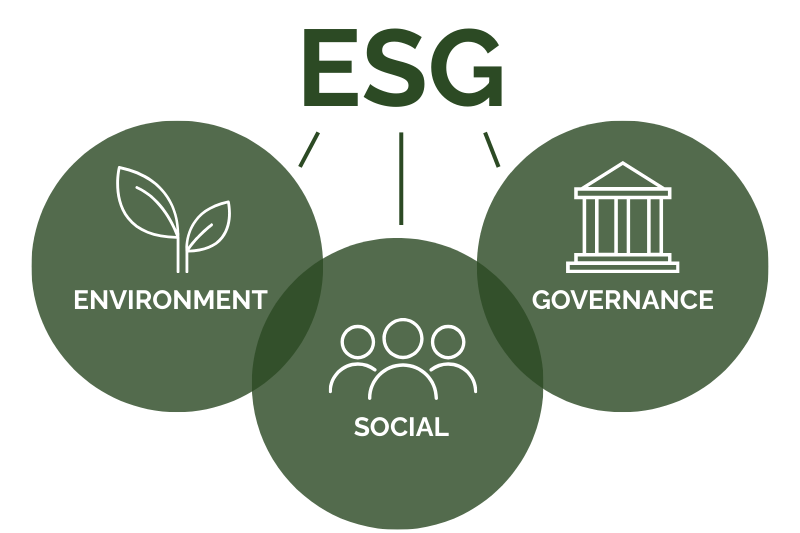
Our group-wide Sustainability Report according to the VSME standard provides insights into our sustainability strategy, the transformation plan, and progress in the areas of environment, social responsibility, and corporate governance (ESG).
This underlines the DBK Group’s commitment to sustainable business practices and the continuous development of its corporate responsibility.
Large local supplier base
Low‑CO₂ transport by ship
Digital tools instead of (long‑distance) travel
Green N₂ in‑house production (DE)
14 EV chargers (DE)
Net zero by 2045; GHG balance + transformation plan + status quo
Strict Code of Conduct
Training beyond demand (DE)
Mental Health First Aider (UK)
Majority of employees represented by works council; about half with collective agreement
Focus on occupational safety
Green applications (e.g., e‑mobility or wind power)
High quality, long service life, recyclability
Repairability by design (e.g., Typhoon)
Use of a whistleblower system
Local committee activities (DE)
Minimal activities in critical sectors (according to EU; fuels)
Scrap reduction through continuous improvement and digital tools
Energy audits (DE)
Modern, efficient equipment
ISO 14001 certified (DE, FR)
Efficient HQ with geothermal energy (DE)
PV systems (DE, CN)
District heating (DE, SE)
High share of green electricity, increasing
7 of 11 hectares of company land unspoilt
Climate risks & opportunities analyzed
Repair service (EMS, UK)
Reusable packaging
Safe waste disposal & processing (e.g., workshop for people with disabilities, FR)

More than just environmental aspects
We view sustainability across all three dimensions—environmental, social, and governance. We are convinced that only a holistic approach and high standards in all three areas can achieve the desired impact of our strategic positioning.
For 2024, a scientifically based GHG balance for Scope 1, 2, and 3 was prepared for the first time. It forms the basis of the transformation plan and identifies key levers for emission reduction on the path to GHG neutrality.
Note: The base year may be adjusted in the future, for example due to changes in company size, improved data quality, or expanded boundaries. Reductions are therefore shown as percentages.
By 2034, DBK aims to reduce emissions by 42% in Scope 1 and 2 and by 25% in Scope 3, each based on the 2024 base year.
The interim targets follow scientifically based climate pathways and relevant industry standards. They are supported by concrete measures, including the transition to renewable energy in Scope 2 and the gradual electrification of the vehicle fleet in Scope 1.
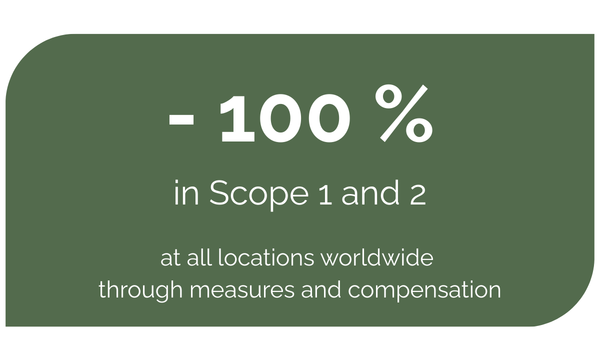
DBK aims to achieve net zero in Scope 1 and 2 by 2045 in line with EU requirements. Emissions will be avoided as much as possible, and unavoidable emissions will be offset, for example through environmental protection projects.
Scope 3 is currently not part of the net‑zero target, as these emissions occur along the entire value chain and are only partially influenceable. Nevertheless, DBK continuously works on improvements, including collaboration with suppliers and customers.

Sustainability and environmental protection are firmly anchored in the DBK Group’s corporate strategy. With our environmental policy, we commit to responsible use of natural resources and continuous improvement of our ecological performance.
It applies to all employees worldwide and forms the basis for sustainable cooperation with our business partners along the entire value chain. Through concrete measures, transparent reporting, and innovative approaches, we actively contribute to climate and environmental protection.
Our products and solutions are used in key future industries. The images show selected application areas in which we actively contribute to the energy transition, emission reduction, and sustainable mobility:
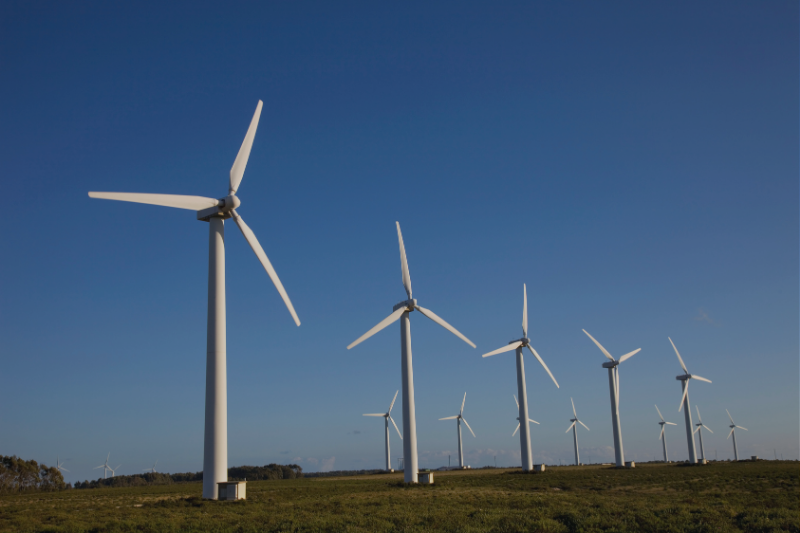
Wind Turbines
.

Rail Transport
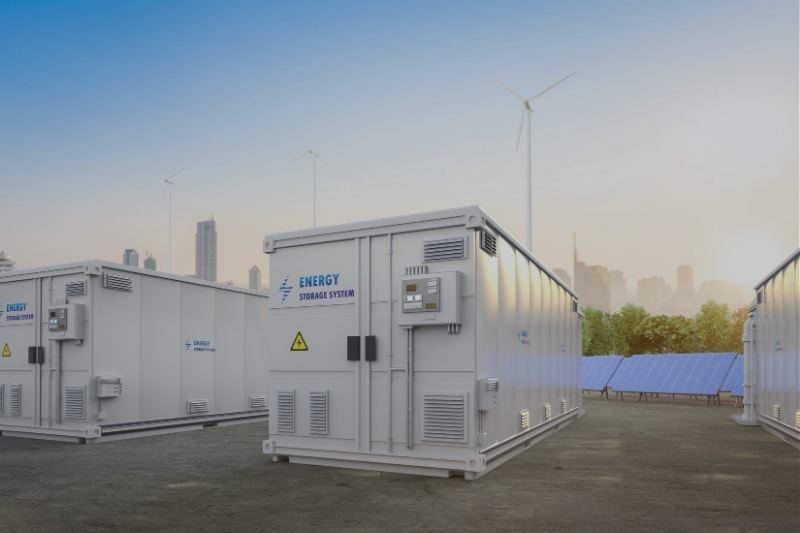
Battery Storage
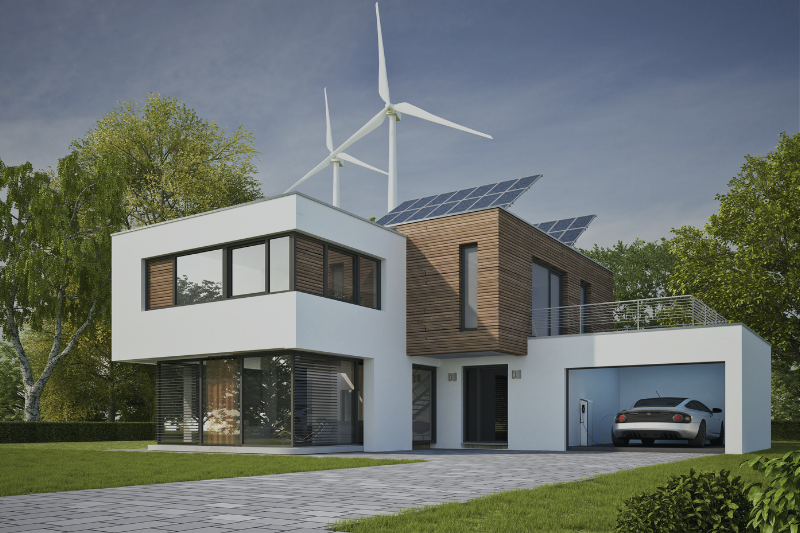
Low‑Energy Houses
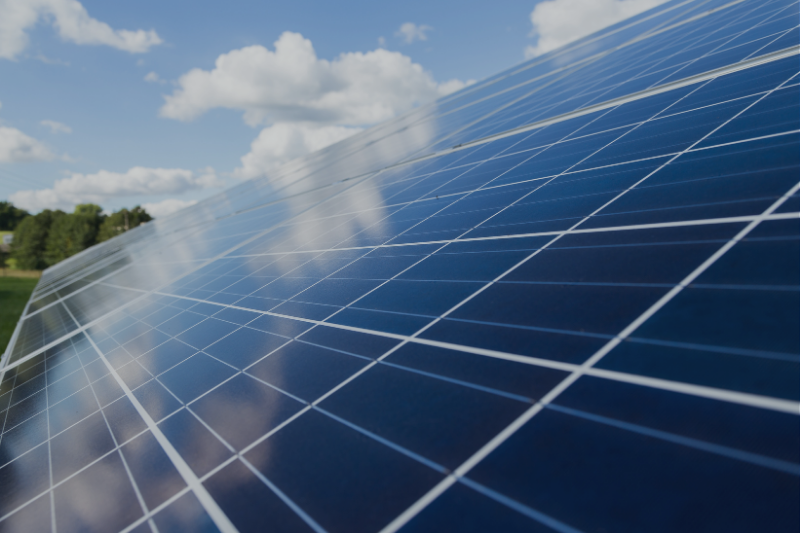
Photovoltaic Systems
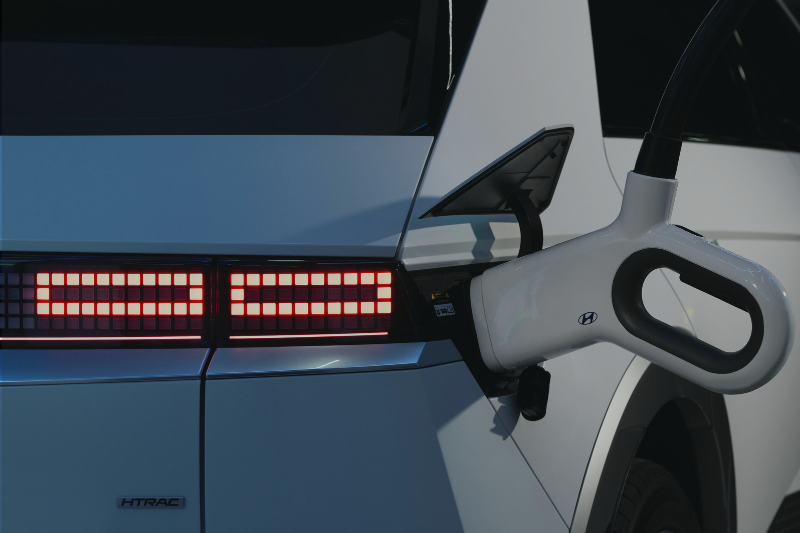
E‑Mobility
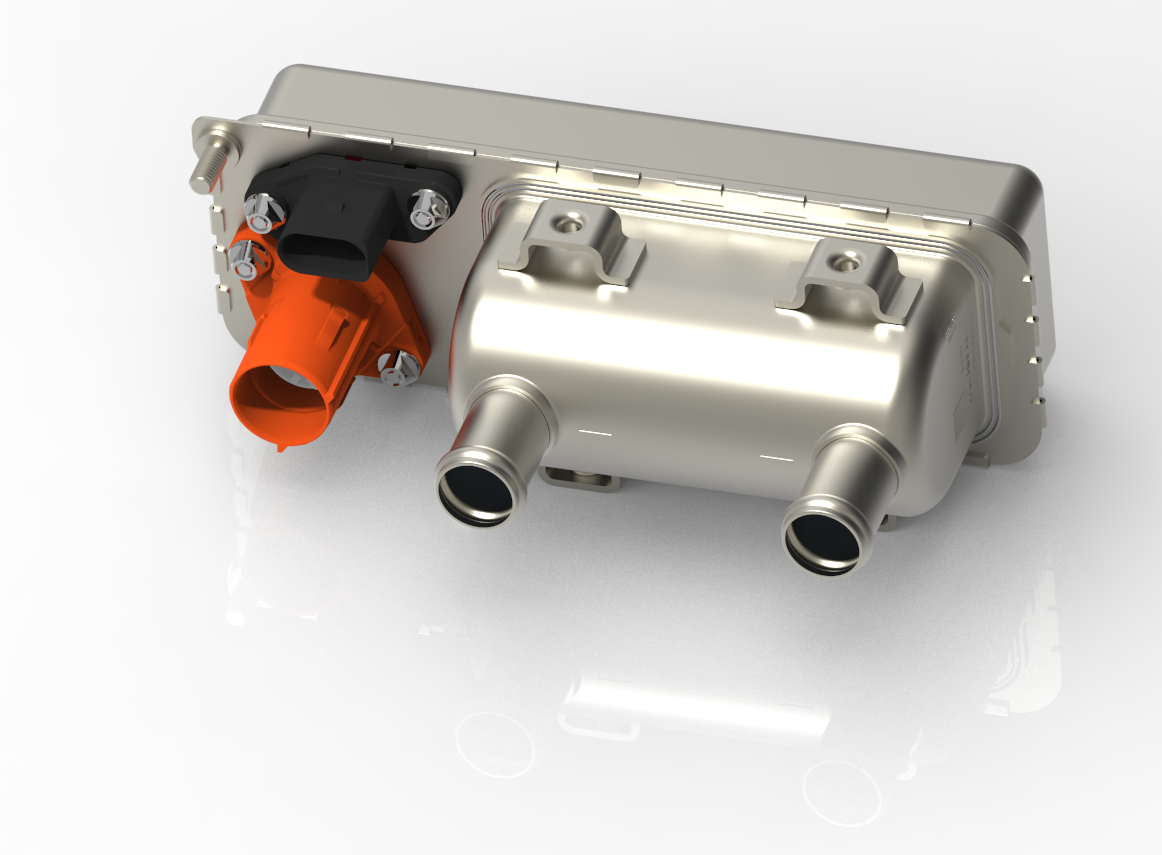
DBK actively shapes the energy transition – often behind the scenes, where efficiency makes the decisive difference. As a specialist in energy‑efficient heating and cooling technologies, we develop solutions that sustainably reduce energy consumption and support the use of renewable energies.
One example is the high‑voltage water heater, whose second generation was awarded as a technological milestone in 2023. With a weight of around 1 kg and an energy efficiency of about 98%, it sets new standards. Compared to the first generation, the weight was reduced by almost 40% and the power density doubled – while simplifying maintenance and conserving resources in production.
DBK received the research allowance – a government subsidy for particularly demanding and forward‑looking research and development projects – for this and other innovative developments.
Compliance is a top priority for the DBK Group. We promote an open corporate culture and take any indications of potential rule violations very seriously. Through our externally managed whistleblowing system, internal and external individuals can confidentially and, if desired, anonymously report potential violations.
The DBK Group’s Code of Conduct defines clear expectations for acting with integrity and forms the basis for responsible collaboration—both internally and externally. It sets out clear expectations for ethical behavior, strengthens a values‑driven corporate culture, and is binding for all employees as well as external partners.
Do you have questions about our sustainability strategy, environmental or climate-related topics, or specific initiatives? Sustainability thrives on exchange. Share your questions, perspectives, or suggestions with us — we look forward to engaging in dialogue with you and are happy to provide further information.